Bio
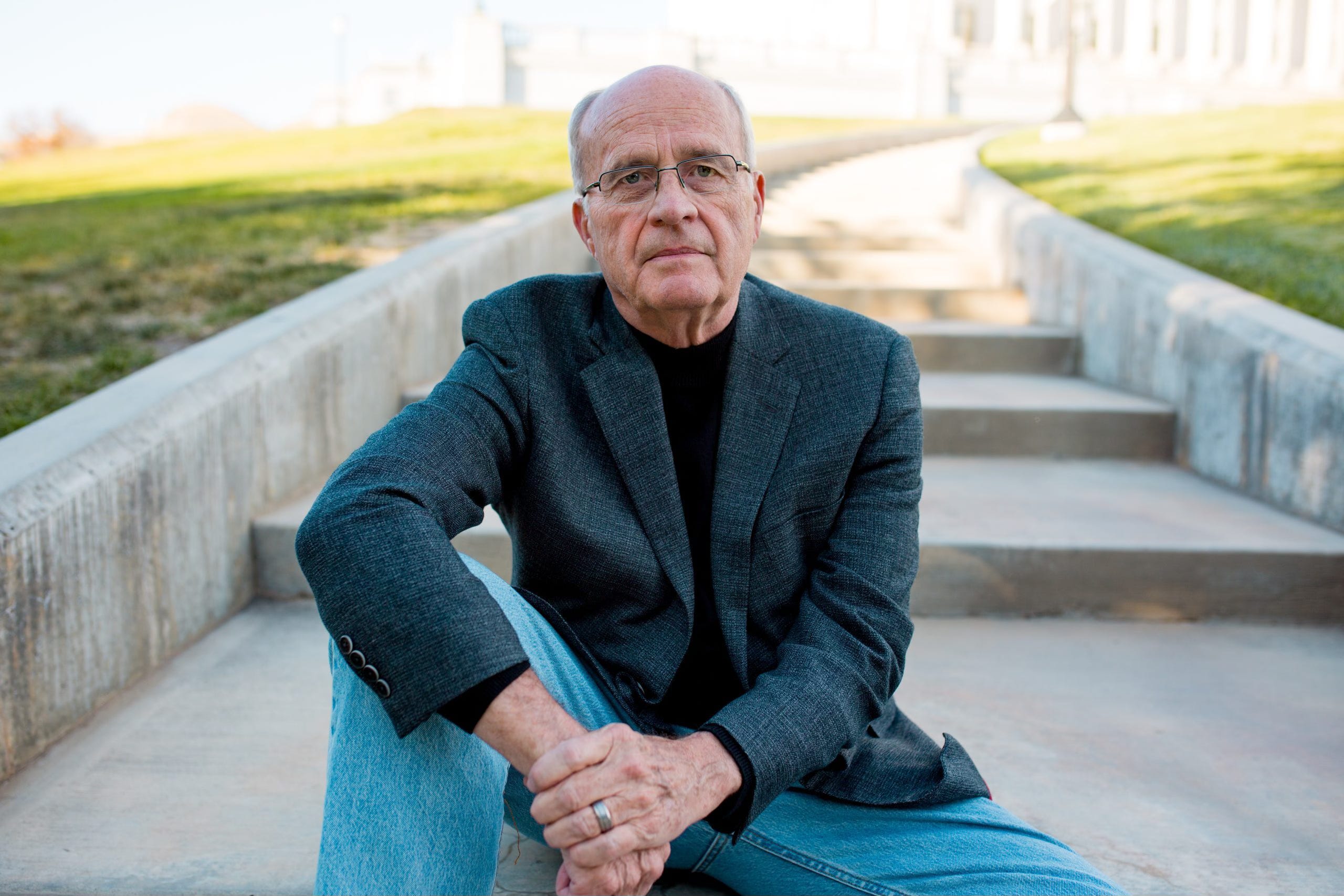
I’m Lynn R. Webster, MD, FACPM, FASAM, a physician, researcher, and advocate with more than four decades of experience in pain medicine, addiction science, sleep-pain interactions, and public health policy.
I earned my medical degree from the University of Nebraska in 1976 and completed my anesthesiology training at the University of Utah. I was fortunate to be part of the research team that developed the first artificial heart. Later in my career, I built and led Lifetree Pain Clinic and Lifetree Clinical Research in Salt Lake City, where I served as Medical Director. I later served as Vice President Scientific Affairs at PRA Health and Executive Vice President of Scientific Affairs at Dr. Vince Clinical Research.
From 2013 to 2014, I served as President of the American Academy of Pain Medicine and have been an investigator or co-investigator on more than 350 clinical trials. I developed the widely used Opioid Risk Tool (ORT) to help clinicians identify patients at risk for opioid misuse, and I have authored or co-authored more than 300 peer reviewed scientific publications. My first book, Avoiding Opioid Abuse While Managing Pain, remains a practical guide for safe opioid prescribing. I also wrote the award-winning book, The Painful Truth: What Chronic Pain Is Really Like and Why It Matters to Each of Us.
My research has focused on the complex relationships between pain, opioids, sleep-disordered breathing, and addiction. I have lectured at more than 370 national and international meetings and have written columns for The Hill, Pain Medicine News, Pain News Network, and the American Council on Science and Health. My work has also appeared in the Wall Street Journal, Washington Post, NBC News, and many other outlets, and I’ve been interviewed by NPR, Fox News, and numerous podcasts and medical publications.
I’m board-certified in anesthesiology, pain medicine, and addiction medicine. Throughout my career, I have worked to balance effective pain relief with responsible prescribing, to reduce stigma around chronic pain and substance-use disorders, and to inform smarter public policy at the intersection of medicine and politics.
In this Substack, I will write about the science, the stories, and the policies that shape how we understand and treat pain and addiction in America—always grounded in evidence, clinical experience, and a deep respect for the millions of people living with chronic pain or addiction every day. I hope you’ll join the conversation.